 Doodlebark

Our little ones start putting toys away and wiping spills as toddlers, around ages 2 to 3. Then preschoolers, ages 4 and 5, can set the table or feed pets. We love to use Doodlebark’s printable chore charts that turn these everyday tasks into screen-free fun with Penny the goldendoodle as our helper buddy. It really makes teaching responsibility feel like play for our kids.
Why start chores with toddlers and preschoolers?
Giving chores to our toddlers and preschoolers builds their confidence and teaches important life skills. When kids do household tasks, they feel needed and learn responsibility and independence. Using age-appropriate chores means recognizing that even young kids can do a lot more than we sometimes think. Starting chores early helps create cooperation that benefits the whole family for years. If we wait, we miss the time when kids naturally want to help.
Starting chores early also helps kids develop a good work ethic and self-reliance. When we wait until they’re older, chores can turn into power struggles.
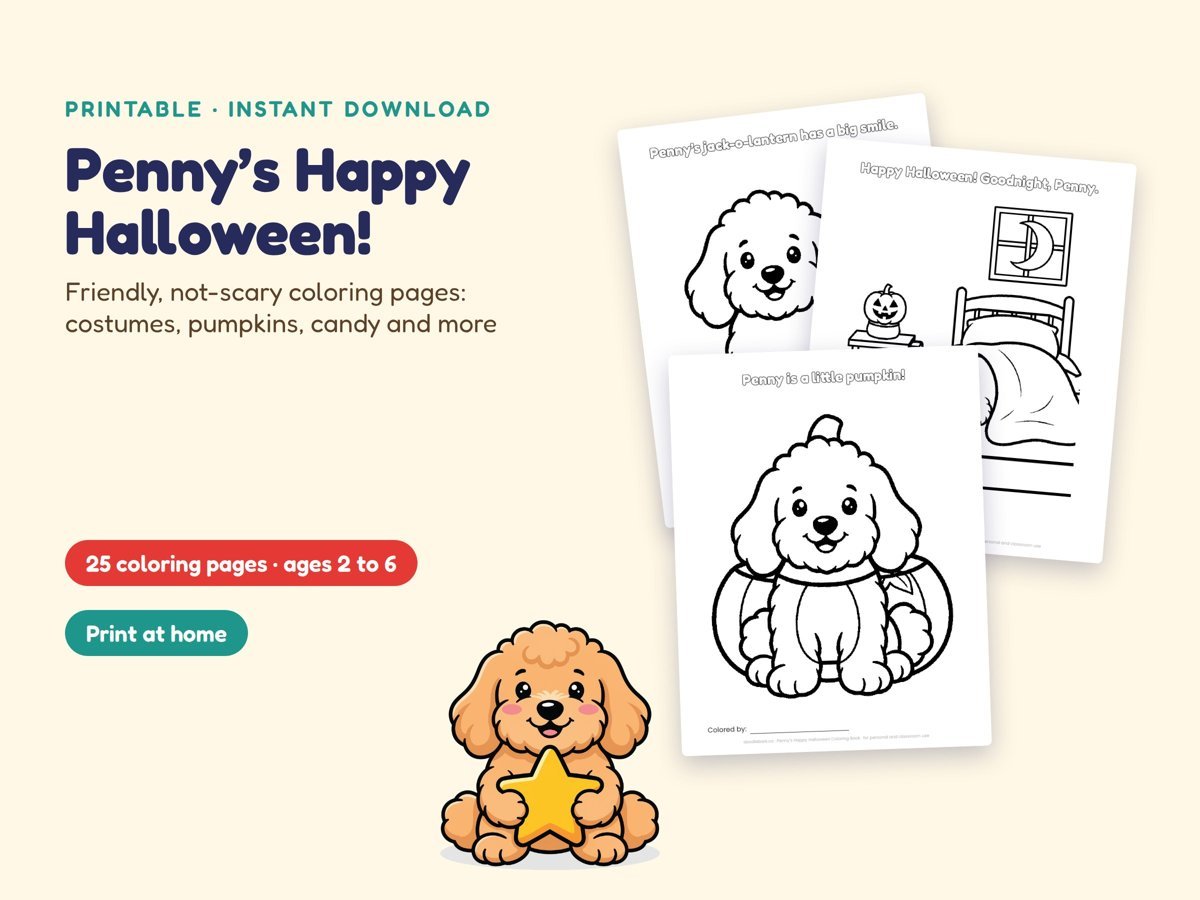
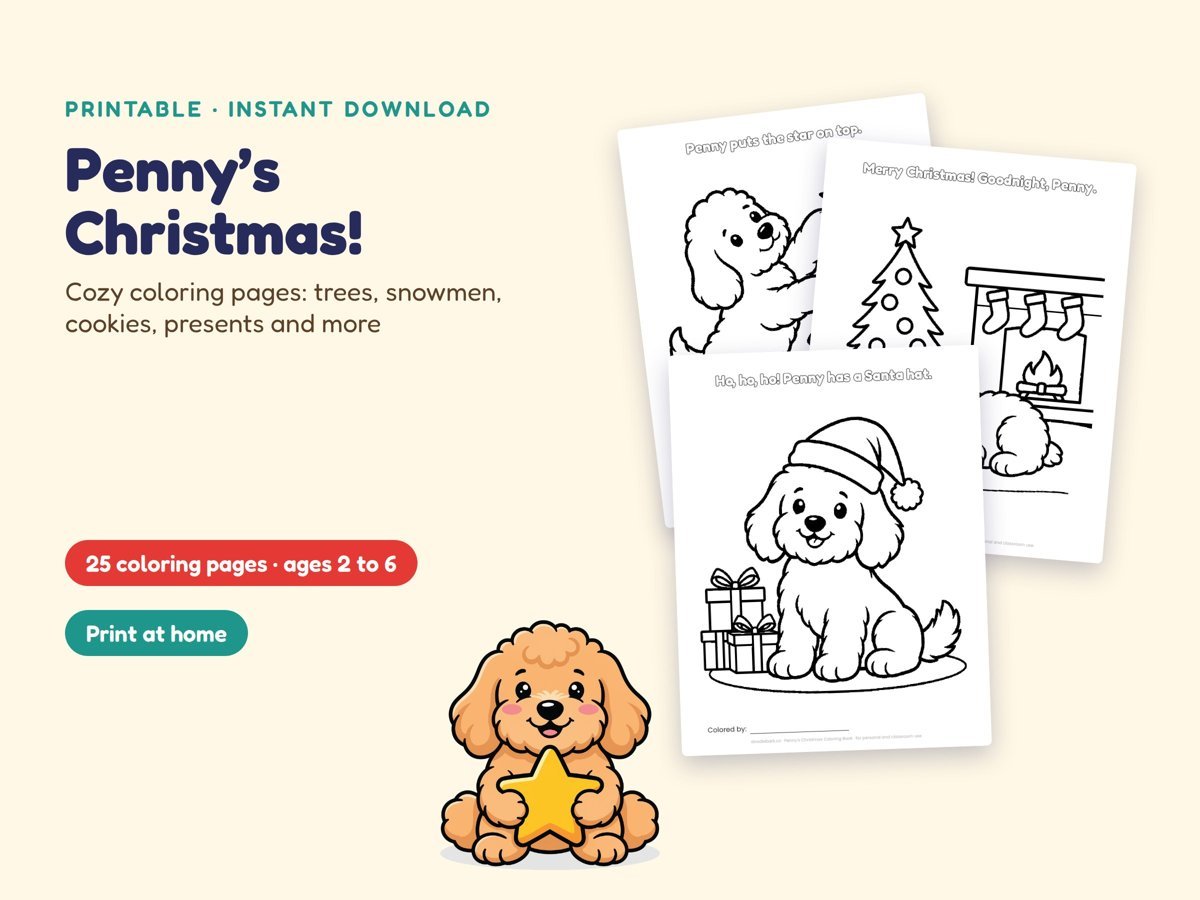
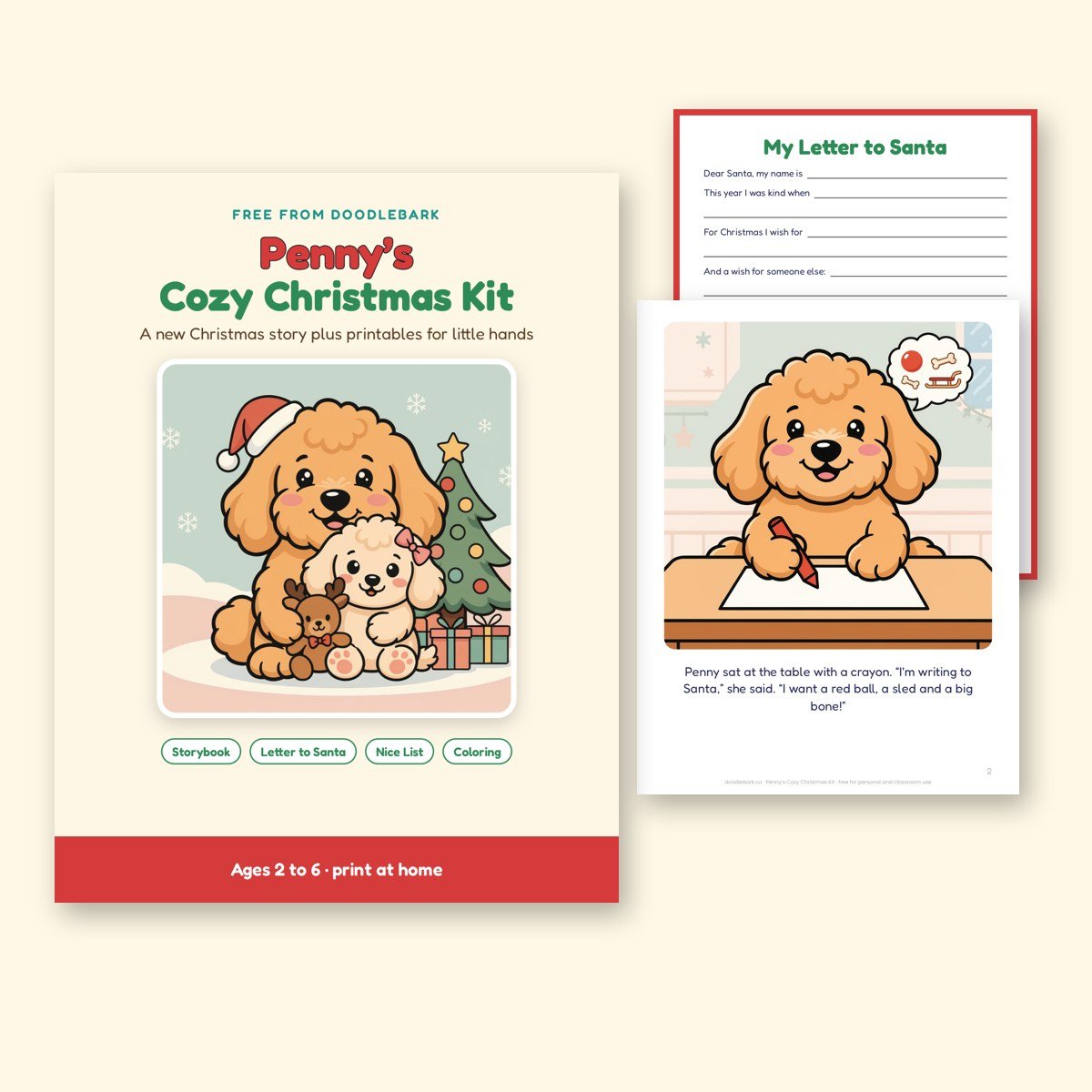
At Doodlebark, we make printable storybooks, charts, coloring books, and songs just for kids ages 2 to 6. These products come from real family experiences. Our screen-free tools help turn everyday challenges into things kids really want to use. A chore chart for kids becomes less like nagging and more like shared fun.
How do chores build life skills in young children?
Toddlers grow their fine and gross motor skills by doing simple things like wiping spills or putting toys in bins. Preschoolers build problem-solving skills when they figure out steps and organization. These skills add up over time. Kids who start chores early feel more confident taking on bigger jobs later.
What happens when chores become a positive routine?
When chores are part of a predictable routine, they become habits instead of battles. Kids feel capable when they know what’s expected and what success looks like. We include Penny the friendly goldendoodle in our charts because she helps kids approach chores with less fuss. Being consistent matters more than being perfect. A printable chore chart keeps expectations clear and doable.

What are age-appropriate chores for ages 2 to 4?
Kids can handle more than we often expect. Even toddlers can help with small and simple chores. Setting expectations early helps prevent arguing later when kids test limits. If we wait too long, helping starts feeling like a demand instead of fun.
For ages 2 to 4, age-appropriate chores focus on helping with routines more than doing them on their own. At this stage, children assist with cleaning their room, picking up dirty clothes, or helping make the bed. The word “assist” is important here. A 2-year-old doesn’t make the bed alone. They might pull up one corner of the blanket while a grown-up finishes the rest.
Chores for toddlers work best when seen as shared activities. Parents who join in see less resistance than those who give orders from across the room. At this age, the goal isn’t a perfectly clean room. It’s getting children used to being part of the process.
What chores can a 2-year-old actually do?
A 2-year-old can drop dirty clothes in a hamper. They can put stuffed animals on a bed. They can push a small broom across the floor. It takes longer with help than doing it alone, but that’s the point. The time spent now pays off in cooperation later.
How do parents start chores without power struggles?
Start by doing the chore together. A chore chart for kids works best when it uses pictures rather than words since toddlers can’t read yet. Our printable charts feature Penny the goldendoodle. She turns routines into something kids recognize and enjoy. You can find instant-download PDFs at doodlebark.co and on Etsy, including personalized storybooks with your child’s name.
For preschoolers, a chore chart should include only three or four tasks. Too many can overwhelm a 3-year-old. A printable chore chart printed at home keeps things screen-free, which is helpful for families already managing screen time struggles.

How do I set up a chore chart for preschoolers?
Set up a chore chart for preschoolers by choosing tasks that fit their development. Preschool chores build responsibility and strengthen fine motor and problem-solving skills. Simple household tasks help kids develop discipline and coordination.
We find parents get the best results when the process feels like teamwork instead of orders. When kids help pick chores, they feel more ownership from the start.
What chores are right for a preschooler?
Age-appropriate chores for 3 to 5-year-olds focus on simple, clear actions. Putting toys in a bin works well. Matching socks helps with pattern skills. Wiping a low table with a damp cloth shows cause and effect. Watering a plant with a small cup teaches care for living things. These tasks take less than five minutes and need only a little supervision.
The key is matching chores to what small hands can actually handle. Tasks that seem too hard cause frustration. Tasks that seem too easy get boring.
Should I use a printable chore chart or a store-bought one?
A printable chore chart offers the flexibility that store-bought boards often don’t have. Doodlebark makes screen-free printable charts for kids ages 2 to 6. Every design brightens boring chores with Penny the goldendoodle, adding warmth and humor to family routines. Parents can print new copies when kids grow or when it’s time for fresh challenges.
- Sit with your child and look through the chart together. Point to each task and say what it is.
- Let your child pick one task to try first. Ownership starts here.
- Show how to do the chore once while your child watches. Talk through each step.
- Step back and let your child try it alone. Help only if asked.
- Celebrate when it’s done with a sticker, checkmark, or high-five. The joy is in sharing the moment.
How do I keep a preschooler interested in the chart?
Change the tasks every week or two. New things keep a child’s interest better than doing the same thing over and over. A chore chart works best when it feels like a game, not a demand. We lean into family fun and Penny’s playful presence to keep things light. When kids resist, take a step back and try again later. Fighting about chores wipes out all the good work the chart is meant to do.
What should a printable chore chart include?
A printable chore chart needs three things: clear tasks, a kid-friendly format, and a simple way to track progress. Charts that don’t have these quickly become just decorations on the wall instead of useful tools.
How the chart looks matters as much as what’s on it. The right design grabs a child’s attention before it teaches responsibility.
What types of tasks work best on a chore chart for preschoolers?
Preschoolers do best with picture-based tasks. Pictures take the place of words since most preschoolers aren’t reading yet. A toothbrush icon means brushing teeth. A bed shows straightening covers. These help make the chart easy for little kids to understand.
Keep task lists short to prevent overwhelm. Three to five daily items work best for most kids ages 2 to 6. Longer lists can lead to frustration and shutdowns.
How should a chore chart for kids track daily progress?
Each child should have a daily chore list that shows the tasks and lets them check off each one when it’s done. Using a simple checklist helps turn vague expectations into clear, visible wins.
Checkboxes work just fine. Stars or stickers add some celebration. Our Penny character often appears on printables to bring a cheerful touch. She helps turn routine chores into moments kids actually enjoy.
When parents use this tracking system, they get more than just order. They give kids chances to learn valuable life skills and keep the home running smoothly. The printable chore chart becomes a bridge between what parents want and what kids can do.
Doodlebark’s charts focus on everyday family challenges for kids ages 2 to 6. We offer charts for bedtime struggles, morning routines, and building good habits. All our printables come as instant-download PDFs, so you can print and start building responsibility today. We also have the Weekend TV Stars chore and reward chart in our shop at our shop. See how it works in our post Weekend TV Stars chart.
How can I avoid chore battles with my child?
To avoid battles, plan ahead. Match chores to your child’s age and keep the process fun. Messy toys or dirty dishes can easily cause frustration. Without a plan, these moments turn into power struggles. Focus on chores that really matter and what your child can realistically handle.
What makes a chore chart effective for young children?
A chore chart works when it feels like play, not a command. Visual cues and familiar characters turn clean-up time into a shared activity. Our charts star Penny, a friendly goldendoodle, to make daily routines feel lighter. We design our charts to solve real family problems.
How do I introduce chores without resistance?
Start small and build slowly. Give simple tasks first and add more later. This helps build cooperation without overwhelming your child. Let your child master one step before adding another.
- Pick one small task your child already shows interest in, like putting toys in a bin.
- Do the chore together for the first week without expecting your child to do it alone.
- Use a printable chore chart with a fun character to mark finished tasks right away.
- Celebrate efforts with a high-five or a silly song before adding a second chore.
A chore chart for preschoolers makes steps clear and satisfying. Your child sees progress and feels proud. Our story-driven printables help make chores feel like playtime with Penny, not just another demand.
Conclusion
The right chore chart turns daily struggles into shared wins. The printable format lets you change it up as your child grows. Start with one small task. Let your preschooler see progress with pictures and stickers. Keep it playful, never pressured. Print a fresh chart, gather your child, and let Penny help make responsibility part of your family’s story.