 Doodlebark

We found that a gentle Binky Fairy approach works best when we create a special goodbye ceremony for our little ones. Our printable storybooks help toddlers understand this big change through Penny the goldendoodle’s adventures. The child places pacifiers in a decorated box for the fairy to collect overnight, and in return, they get a small gift. This way, kids become active participants and tears are fewer.
What is the Binky Fairy and how does it work?
The Binky Fairy is a simple storytelling method that helps toddlers give up their pacifier without tears. Kids pack up their pacifiers and leave them for a magical visitor who collects them at night, turning a tough moment into a positive rite of passage. This switch from panic to anticipation really helps. Without a clear plan, families often face tough bedtime fights and night wakings that drain everyone.
Doodlebark created this method as a screen-free, printable solution for families working through the challenge of weaning off pacifier. We offer storybooks, charts, and coloring sheets all around the Binky Fairy idea, starring Penny the goldendoodle. You can download these PDFs instantly and start using them at home right away.
How does the Binky Fairy turn weaning into an adventure?
Imaginative play is the heart of this method. Your child doesn’t just lose their comfort object. Instead, they help send the pacifier on a new journey. We sketch out simple tools like picture cards and easy tricks that make this change feel like a fun mission, not a hard rule.
Here are the steps in our approach:
- Read the printable Binky Fairy storybook with your child a few days before saying goodbye.
- Gather all pacifiers and let your child choose a special place to put them.
- Explain that the Binky Fairy visits during the night to collect them for new babies who need them.
- Leave a small reward or certificate from the Binky Fairy for your child to find in the morning.
- Celebrate this big moment the next day with our coloring pages and lots of praise.
Can parents personalize the Binky Fairy experience?
Yes! Personalizing the story helps your toddler connect more. Our printable storybooks let you add your child’s name right into the story. A story that stars your little one feels special and real. Penny the goldendoodle is there throughout as a friendly guide, showing that big changes happen with a trusted friend nearby. This personal touch really matters, especially when it’s time to get rid of pacifier at night when kids seek comfort the most.
Does screen-free storytelling make a difference for toddlers?
We’ve found that keeping things on paper helps keep the experience calm and hands-on. Toddlers love crayons, paper, and reading together more than screens when facing big changes. Our products grew from real family bedtime struggles. The charts and certificates your child can hold become a visible way to celebrate success long after the pacifier is gone.
When is the right time to start weaning off pacifier?
The right time depends on your child’s age and behavior. Many families start weaning between ages 2 and 4. It’s usually easier to stop a pacifier habit at a younger age than thumb-sucking. As parents, you get to choose when it feels right for your family.
Waiting too long has its costs. Using a pacifier too long can lead to dental concerns. The 2 to 4 age range offers a practical window. Your child is old enough to understand simple explanations and young enough to adjust well.
What signs show a child is ready to stop using a pacifier?
Look for clues like chewing on the pacifier instead of sucking it. That means it’s less for comfort. Sometimes the pacifier causes frustration, more crying, or wakings at night. When it starts to cause troubles instead of helping, it’s time to act. There’s no reason to keep a pacifier once it’s disrupting sleep.
Should parents avoid weaning during other big changes?
Yes, it generally works better to keep life steady when you start. Trying to stop pacifier use during potty training or a move can add stress for everyone. Focus on one change at a time. Use our printable storybooks and charts for a calm week without big disruptions to set your child up for success.
How do you prepare your toddler for the Binky Fairy visit?
Getting ready for the Binky Fairy visit turns a hard goodbye into an exciting milestone. Building anticipation and understanding over several days is the key. Without this, suddenly losing a comfort object can bring bedtime tears and struggles.
How does a story help toddlers understand the Binky Fairy?
A personalized storybook makes the idea clear for little ones. Our printable storybooks starring Penny the goldendoodle shape the pacifier handoff as a positive, grown-up step. Reading it together for a few nights helps your child take in the change slowly. The story replaces fear with curiosity.
What role does a progress chart play in weaning off the pacifier?
A visual chart makes the process feel like a game where your child scores small wins. Mark each nap or night without the pacifier and cheer those achievements. We offer printable charts that keep things simple and screen-free. Seeing progress helps your child feel proud and ready for the final goodbye.
Preparation also means hands-on fun that gives your toddler control. You can decorate a special box or envelope together to hold the pacifiers for the fairy. This crafts project makes the handoff real and personal. Your child feels like a helper, not just someone losing their pacifier.
Practice the ritual a few nights before the real event. Put a pacifier in the decorated box at bedtime and talk about what the fairy might bring. This makes things familiar and less scary. When the night comes, your toddler knows what to expect and feels ready.
What does a 7-night step-down schedule look like?
A step-down schedule slowly reduces pacifier time. It starts with daytime limits and ends with a celebration, making the change gradual and easier to handle.
Many parents worry about this process. A slow fade helps prevent big protests. This schedule lets toddlers adjust step by step.
How do the first three nights work?
On nights 1 through 3, the pacifier is only for naps and bedtime. No more carrying it around during the day or using it while playing. This teaches your child that the pacifier is for sleep time only. This keeps the comfort link but breaks the daytime habit.
What changes on nights 4 and 5?
On nights 4 and 5, take away the pacifier during naps too. Now your child uses it only at bedtime. This tests if your toddler can fall asleep without it during the day. Some kids protest a bit but then adjust. Offering other comforts like a lovey or a gentle back rub can help. Keeping the bedtime pacifier helps sleep quality during the change.
How does the Binky Fairy help on night 6?
On night 6, the Binky Fairy visits. Your child gathers all pacifiers in a special box. The fairy comes at night to collect them and leaves a small surprise. Our printable storybooks and charts help make this magical instead of scary. A story with Penny the goldendoodle explains the fairy’s visit in a kind, friendly way. Your child wakes up to a gift, not just a loss.
What happens on the final night?
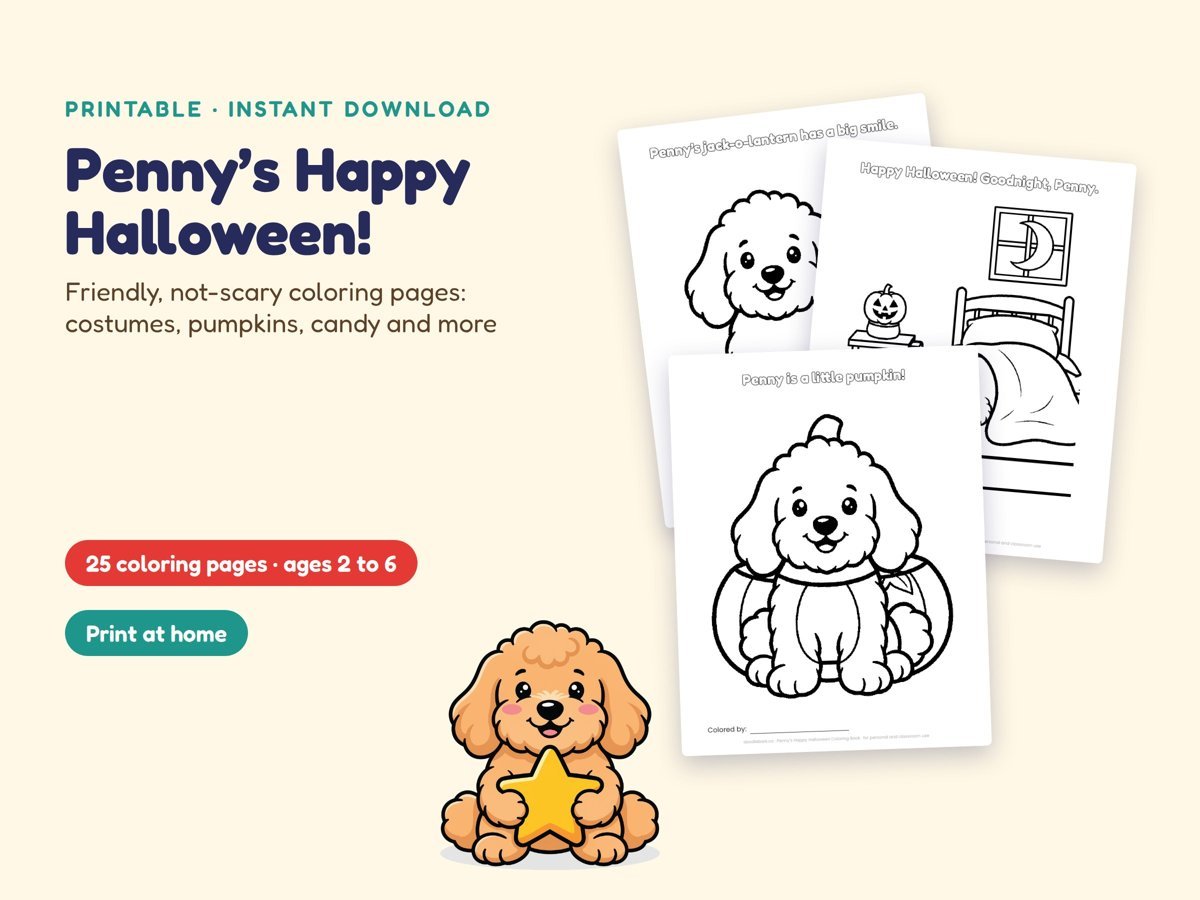
Night 7 is a celebration. The pacifier is gone, and your child has done it. We provide printable coloring books and songs to turn this moment into a happy memory. Activities like Penny’s coloring book help your child feel proud. This celebration ends the week on a good note and makes the new routine feel like a win.
How do you handle night wakings after the pacifier is gone?
Night wakings after weaning off pacifier happen in a pretty predictable way. Your child wakes up, reaches for their missing comfort, and cries. Sticking to your plan through those first tough nights helps end the habit faster. Without a clear replacement, giving the pacifier back usually resets all progress.
What comfort object works best as a pacifier replacement?
A soft stuffed animal or a small lovey helps fill the gap left by the pacifier. Our storybooks starring Penny introduce a new bedtime buddy before the pacifier leaves. Reading that story for several nights builds your child’s attachment to the new friend. Then, at night, your child reaches for the lovey instead of the missing pacifier.
What should parents do during the first few nights without a pacifier?
Keep calm and offer quick comfort. Go in, give the lovey, say goodnight, and leave the room. The key is to be consistent. If the pacifier caused more night crying before, getting rid of it helps more than it hurts. Giving in and returning the pacifier only confuses your child and drags the process out.
A steady bedtime routine shows your child it’s time for sleep without the old habit. Our printable charts and songs set a simple sequence: story, song, cuddle, bed. You can mark each good morning on a chart to keep motivation high for everyone.
Stick with your plan. One night of giving in shows your child that crying long enough gets the pacifier back. Usually, three to five consistent nights end the night-waking habit. If your toddler also struggles with staying in bed during this time, check out our tips for gentle support that work well alongside pacifier weaning at gentle tips for a toddler who won’t stay in bed.
Conclusion
The Binky Fairy works because it turns a loss into a gift, and the gentle step-down schedule gives your toddler time to adjust without shock. You have the story, chart, and celebration to guide you. Choose your start date, gather the pacifiers, and trust the plan. Your child might surprise you with how ready they are to say goodbye.
If you ever have questions or concerns about your child’s teeth or comfort habits, don’t hesitate to ask your pediatrician or dentist.
Find free printables to help at free printables and explore our printable story packs in our shop at our shop.